Craniosacral Therapy
Gentle, non-invasive work on the craniosacral system for headaches, sleep, neck/shoulder pain and stress.
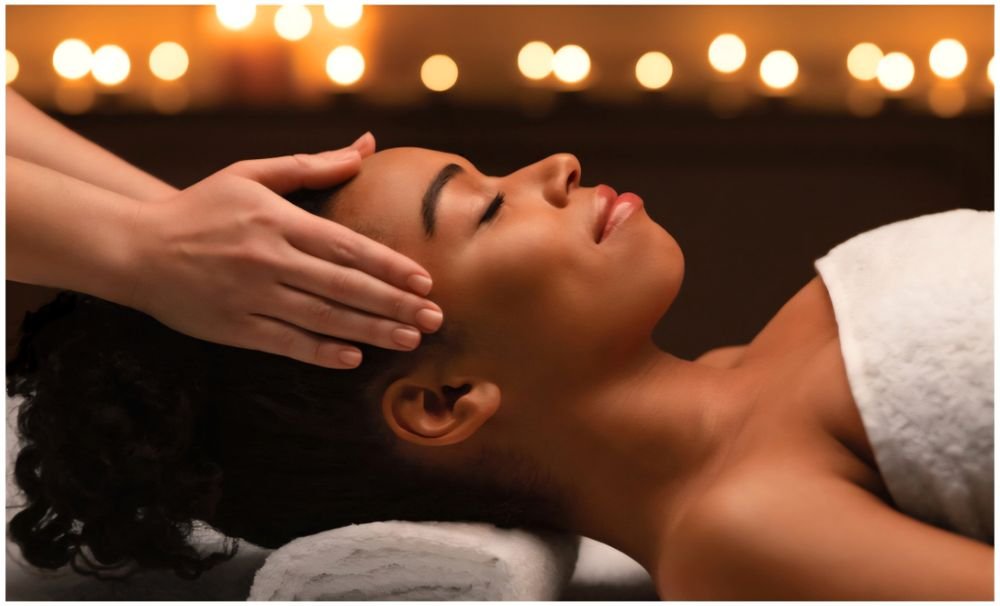
What is Craniosacral Therapy?
Craniosacral Therapy (CST) is a non-invasive hands-on therapy established through research by osteopathic physician John E. Upledger. It works with the craniosacral system — the skull, sacrum, the membranes surrounding the brain and spinal cord, and the circulating cerebrospinal fluid.
What makes it distinctive is its gentleness: the therapist applies only about 5 grams of pressure — like touching a petal — sensing the natural pulse of cerebrospinal fluid (the craniosacral rhythm, 6–12 times per minute) and releasing tension and restriction to awaken the body’s own self-regulating, self-repairing capacity.
What it may help
- Headaches, migraine and stubborn dizziness
- Sleep: difficulty falling asleep, waking easily, light or restless sleep
- Chronic neck, shoulder and back pain and posture issues
- Mood: anxiety, low mood, stress, irritability, sensitivity
- Focus and attention
- Facial and overall relaxation, improved complexion
- Adjunctive support for some eye-related issues (e.g. dry eyes, blurred vision)
Indications (selected)
- Head: headache, facial palsy, tinnitus, Ménière’s, TMJ dysfunction
- Neck: cervical spondylosis, torticollis
- General: anxiety, low mood, PMS, low back pain, scoliosis
- Children: developmental coordination and attention difficulties (with professional assessment)
Who it suits
- Those who stay up late or are mentally overworked
- People troubled by recurring headaches or insomnia
- Desk-bound people with poor posture and neck/back pain
- Those under stress or prone to anxiety
- Students (focus and sleep)
- Women seeking gentle postpartum recovery
- Those who dislike forceful massage and prefer gentle care
What to expect
- Before: wear loose clothing; avoid tight or restrictive garments.
- During: you may feel drowsy, notice changes in breathing, small involuntary movements, tummy sounds, warm/cool or brief tingling sensations, or emotional release — all normal signs of the nervous system relaxing.
- After: deep relaxation is common; sleeping very well or temporarily less well are both normal. A 5–10 minute walk helps the body adjust; avoid vigorous activity for 36 hours. Brief tiredness or mild headache afterwards is usually temporary.
CST gently helps the body return to a relaxed state. Results vary between individuals.
Wondering if this treatment suits you? Get in touch to enquire.