Craniosacral Therapy for Sleep & Mood
Gentle craniosacral work to restore rhythm and ease insomnia, anxiety and low mood.
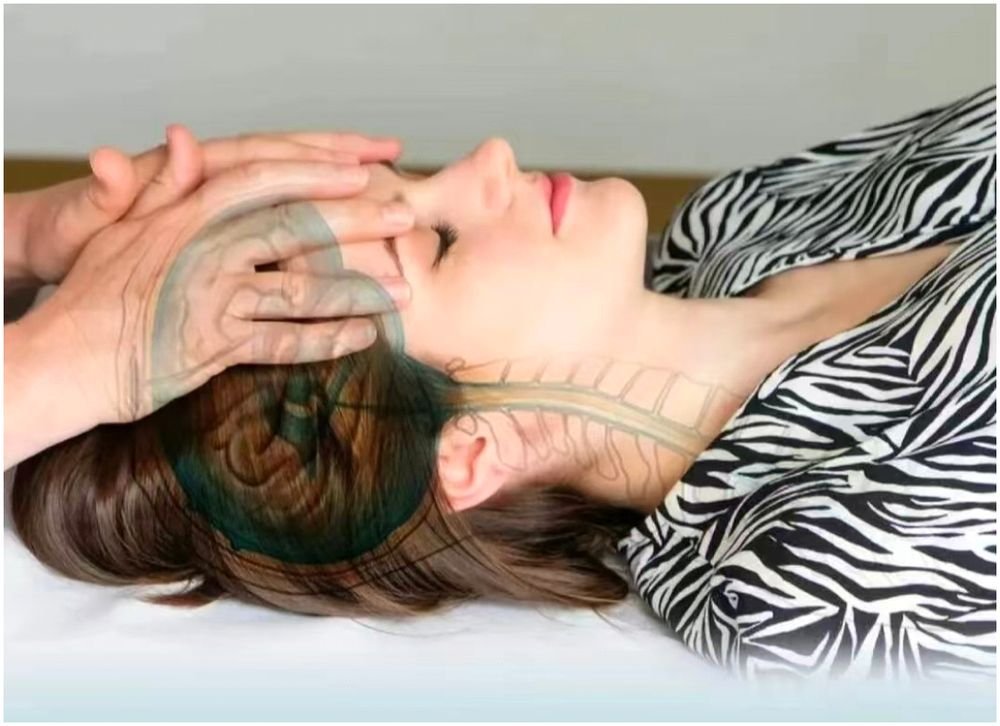
Insomnia is more than “can’t sleep”
Persistent insomnia brings daytime fatigue, scattered attention, mood swings and lowered immunity. About half of insomnia is rooted in psychological stress, easily forming a loop where anxiety worsens sleep and poor sleep deepens anxiety.
Limits of conventional approaches
- Medication: sleeping pills often need higher doses over time, with rebound after stopping.
- CBT-I: requires 6–8 weeks of consistent effort and high adherence.
- Some physical therapies: offer only short-term relief.
- Traditional methods: depend heavily on constitution and lifestyle.
Many people therefore seek gentle, non-drug options.
What is Craniosacral Therapy (CST)?
CST is a non-invasive hands-on technique originating in osteopathic medicine. It works with the craniosacral system — the skull, spine, sacrum, the membranes surrounding the brain and spinal cord, and the cerebrospinal fluid (CSF) that circulates within. Using extremely light pressure (about 5 grams), the therapist eases fascial tension between the cranium and sacrum to help restore the natural rhythm of CSF flow.
CSF and sleep
CSF pulses through the central nervous system about 6–12 times per minute, nourishing brain cells, carrying away metabolic waste and maintaining stable intracranial pressure. During sleep its flow speeds up to clear waste efficiently. When the craniosacral system loses rhythm through stress, trauma or posture, this “self-cleaning” process can be hindered, affecting sleep quality.
Advantages
CST works gently at the level of rhythm and the autonomic nervous system rather than suppressing symptoms; it carries no drug dependence or addiction risk and may ease co-existing anxiety while improving sleep — reflecting a whole-person, “bio-psycho-social” approach.
Who it suits
- Those sensitive to, or wishing to avoid, medication
- Postpartum or menopausal sleep disturbance
- Insomnia with co-existing anxiety or IBS
- Children with developmental sleep difficulties
Results vary between individuals. If you are under psychiatric care, please review any changes with your doctor and do not stop medication on your own.
Wondering if this treatment suits you? Get in touch to enquire.